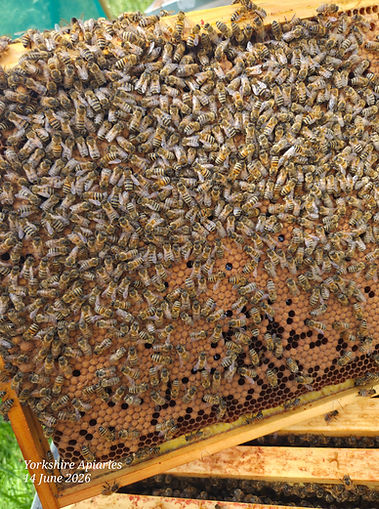
Honeybees and wild pollinators face steep challenges from habitat loss and climate changes. You don't need your own hive to protect them—small steps in your backyard make a world of difference.
How You Can Help Today
1. Plant for All Seasons
Bees need food from early spring to late autumn. Plant single-petal flowers like Crocuses, Lavender, Sunflowers, and—of course—Borage! Single flowers allow bees easy access to the nectar and pollen.
2. Leave a Little "Wild" Space
Dandelions and clover are vital early-season food sources. Ditch the weedkiller and embrace a slightly messy lawn, or let a small patch grow naturally to provide shelter and forage. Especially in early Spring, June and Late Summer.
3. Provide a Safe Watering Hole
Bees get incredibly thirsty working the fields! Put out a shallow dish filled with water and pebbles or marbles. The stones give the bees a safe place to land and drink
without the risk of drowning.